The Eye-Opening Legend of Tea: How a Monk’s Sacrifice Led to Its Discovery and India’s Ancient Tea Connection
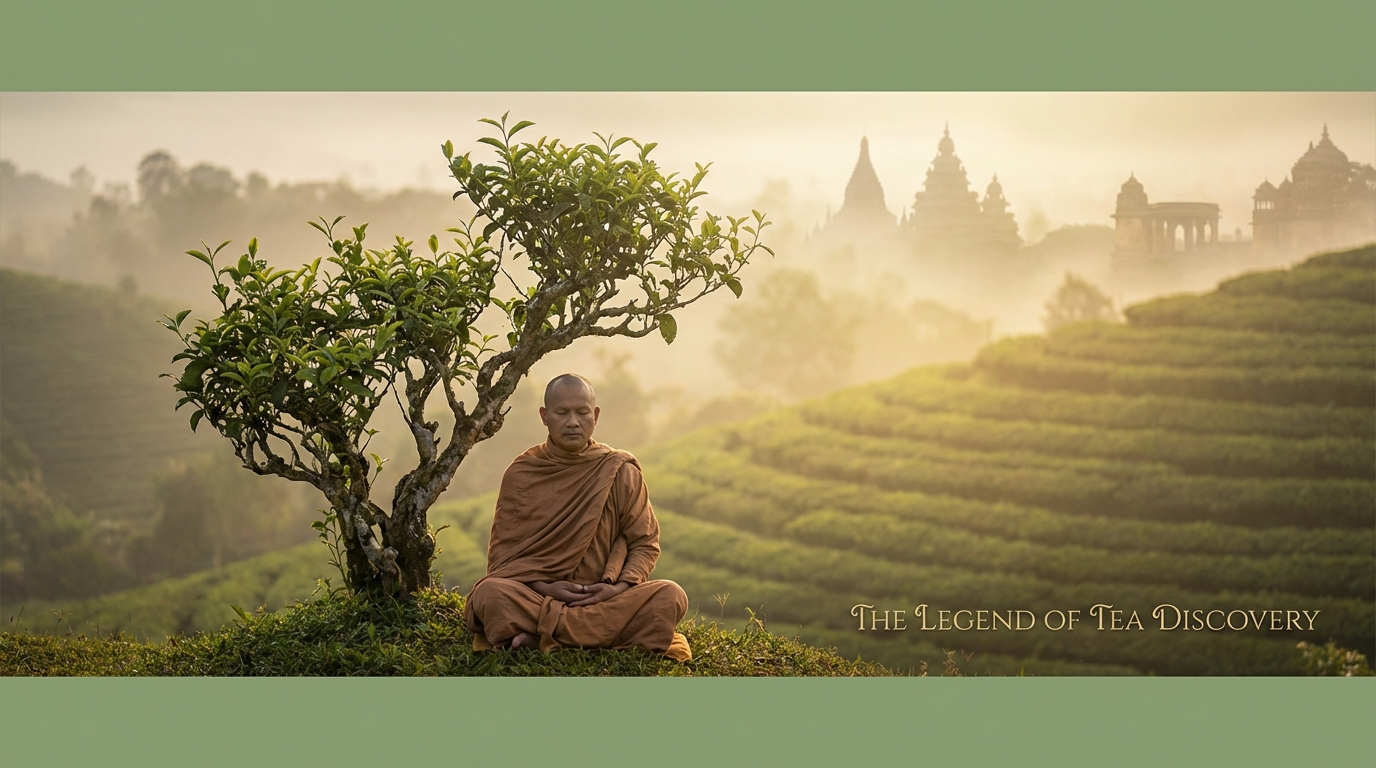
Tea is one of the most consumed beverages in the world and an integral part of daily life in India. While modern tea culture is rooted in agriculture and trade, the discovery of tea is deeply connected to ancient legends, spiritual practices, and traditional medicine. From the famous story of a meditating monk to India’s early herbal traditions, the origins of tea reflect its role as a drink of awareness and vitality.
How Was Tea Discovered? The Ancient Legend Explained
According to historical folklore, tea was discovered in ancient China and is linked to Bodhidharma, a Buddhist monk believed to have lived during the 5th–6th century CE. Bodhidharma is known for introducing Zen Buddhism and practicing prolonged meditation.
Legend states that while meditating, he struggled to stay awake. After falling asleep, he removed his eyelids in an act of extreme discipline and threw them to the ground. From that spot, a plant grew whose leaves helped maintain alertness and mental focus when consumed.
This plant later came to be known as tea, valued for its natural ability to reduce fatigue and enhance concentration.
Why Tea Became Known as an “Awakening” Beverage
Tea’s early use was functional rather than recreational. Buddhist monks consumed tea to:
- Stay awake during long meditation sessions
- Improve mental clarity and focus
- Maintain calm alertness without overstimulation
These qualities led tea to be closely associated with spiritual awareness and discipline. Over time, its use expanded beyond monasteries into everyday life across Asia and eventually the rest of the world.
The Indian Legend and Historical Use of Tea
India holds a significant place in tea’s history, especially in regions such as Assam, Arunachal Pradesh, and parts of North-East India, where tea plants are native.
Indian legends and tribal traditions suggest:
- Tea leaves were used as medicinal herbs
- Infusions were prepared to reduce fatigue and improve digestion
- Sages and ascetics consumed tea-like brews during meditation
Unlike the Chinese legend of sudden discovery, India’s connection to tea is rooted in gradual traditional use as a healing and energising plant.
The Spiritual Link Between India and China
Bodhidharma is believed to have originated from India, establishing a cultural and spiritual connection between India and China in the history of tea. This link reinforces the idea that tea spread not only as a crop but also as a spiritual aid.
In Indian philosophy, bitterness is often associated with discipline and learning, while warmth signifies balance—qualities that align closely with tea’s traditional role.
Tea in India Today: From Legend to Everyday Life
Today, India is one of the world’s largest tea producers and consumers. Tea is deeply embedded in Indian culture, from household kitchens to roadside tea stalls.
Key aspects of tea in modern India include:
- A daily beverage across all regions
- A symbol of hospitality and conversation
- A major agricultural and economic product
Despite its commercial success, tea continues to carry its ancient reputation as a drink that refreshes the mind and body.
Why the Legend of Tea Still Matters
The story of tea’s discovery highlights its original purpose—awakening awareness and sustaining focus. Whether through a monk’s legendary sacrifice or India’s long-standing herbal traditions, tea has always been more than just a drink.
Its journey from ancient meditation practices to global popularity reflects the enduring human need for balance, energy, and mindfulness.
The legend of tea combines history, spirituality, and culture across regions. From the meditative traditions of ancient monks to India’s early herbal use, tea’s discovery is a story of awareness and resilience. Every cup of tea consumed today carries echoes of this timeless legacy.
